If last week’s initial instalment of this blog focussed on a famous chorus from a Baroque oratorio, it may be taken as a statement of intent as to the diversity of musics expected to be discussed here that this second entry concerns a solo work by a contemporary composer.
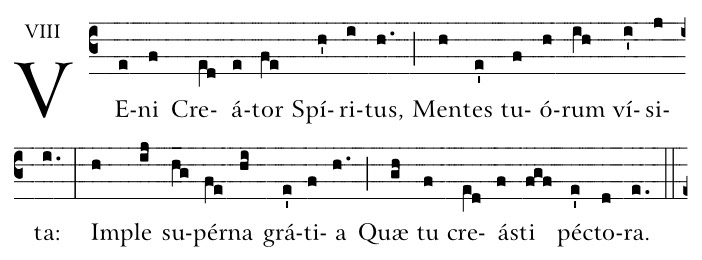
Former BBC Young Composer Kristina Arakelyan’s contribution to Anna Lapwood’s compilation of chant-based organ pieces by contemporary women composers (‘Gregoriana’) is entitled ‘Star Fantasy’ and the thematic material used is taken from the plainchant Alleluia for Epiphany Alleluia: Videmus stellam. She treats the whole Alleluia and the final phrase of the verse, which sets Dominum (Lord)
Taking a number of variations to treat the same material in a variety of textures, and self-consciously ending in F# major in allusion to great plainchant advocate Olivier Messiaen (on whom expect more next week, as 15 January is the anniversary of a famous first performance), the Fantasy builds from calmer to more intense texture and dynamic as it progresses.
Taking a look at the biblical texts implied by both the season and the Alleluia verse, the observation I want to make as a theologian is a certain ambiguity in translation of the Greek ἀνατολή (anatole): its most basic, etymological, meaning is ‘rising’ from the preposition ἀνά and the root τέλος, meaning ‘end’ or ‘completion’, hence moving into position. However, because it is used of the rising Sun, the word comes to mean the East. Thus, the question arises, did the Magi see the star ‘in the east’ or ‘at its rising’? – another question, and one that I have been asked, is whether the star or the kings were in the East when they saw it? Does it matter?
Considering the music on its own, can we suggest that the build up of texture and dynamic reflect the journey of the wise me, either in the literal Persia(?) to Jerusalem and thence to Bethlehem sense, or in the allegorical reading as moving from astrological sign to scriptural witness (the quotation from Micah presented in Matthew 2.6) to the person of the Incarnate God in Jesus? If the quieter opening gives a sense of distance and the final tutti an equivalent exuberance, then both readings of the journey might be represented. There is also a general rise in tessitura through the variations: perhaps the star’s own journey is shown as a rising? Spiritually, the invitation of both scripture and music is to immerse ourselves in the journey of the magi and of the star towards the manifestation (Epiphany) of Emmanuel, and in doing so to build up texture in our experiences of life to the praise of God, which is, after all, what (הַלְלוּ יָהּ) Alleluia means!
 Theology in Music
Leave a comment